From historical maps to DER SPIEGEL and on to the museum

The first stop on Friday, May 16, was the historical map department at Dr. Götze Land & Karte GmbH. There, the group was welcomed by Carsten Juwig, who gave a lecture using selected historical atlases and map works to explain the development of cartographic representation from the 15th to the 19th century. Special attention was given to the relationship between editorial intent, visual design, and user interpretation. Historical maps were thus understood not only as geographic documents, but also as early examples of information design.
A particular highlight was the presentation of an 1885 edition of James Nasmyth’s *The Moon Considered as a Planet, a World and a Satellite*. The seemingly photographic depictions of the lunar surface in this work are, in fact, based on photographs of highly detailed plaster models created by Nasmyth himself—an impressive example of the construction of visual evidence long before the digital age.
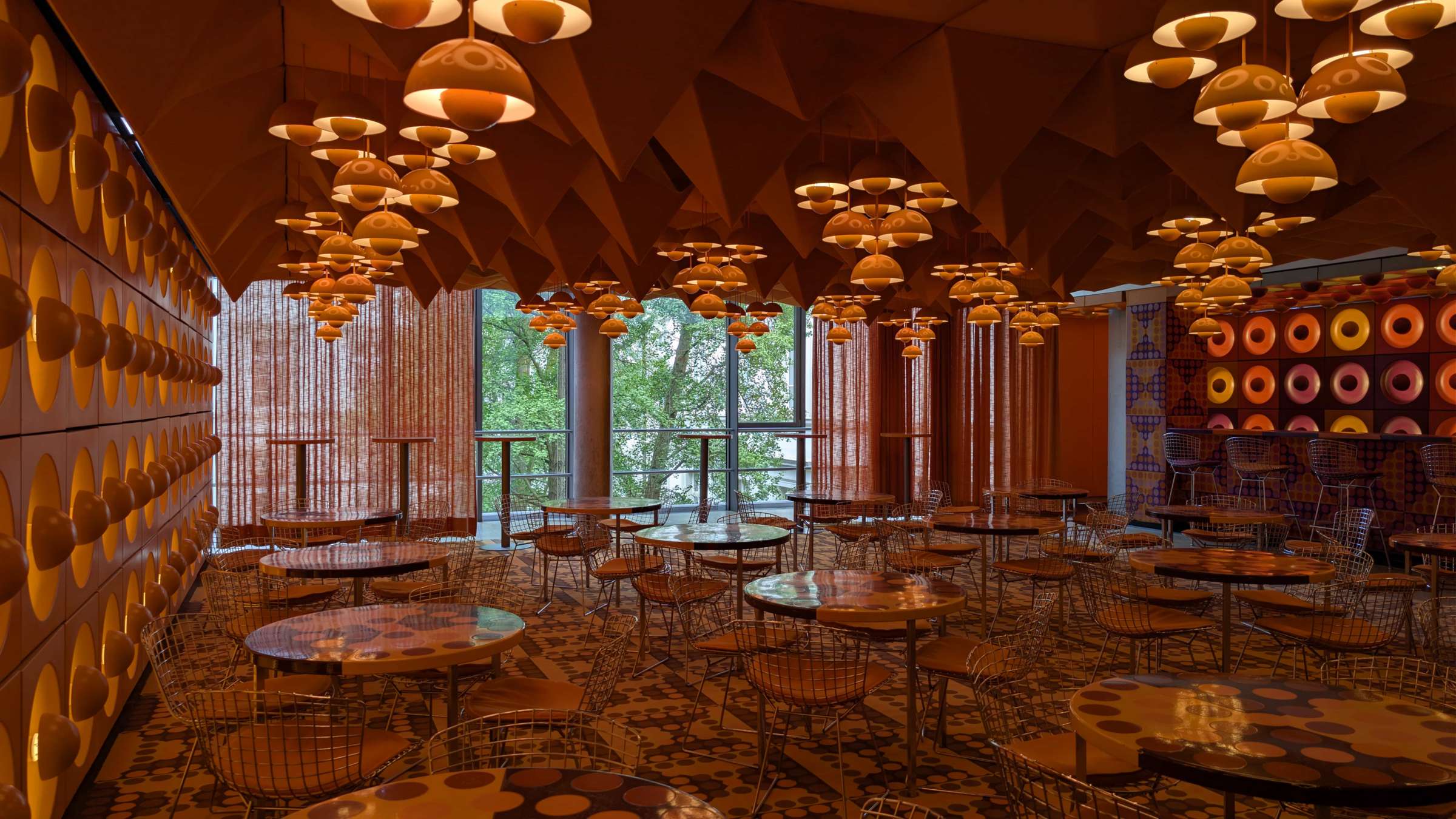
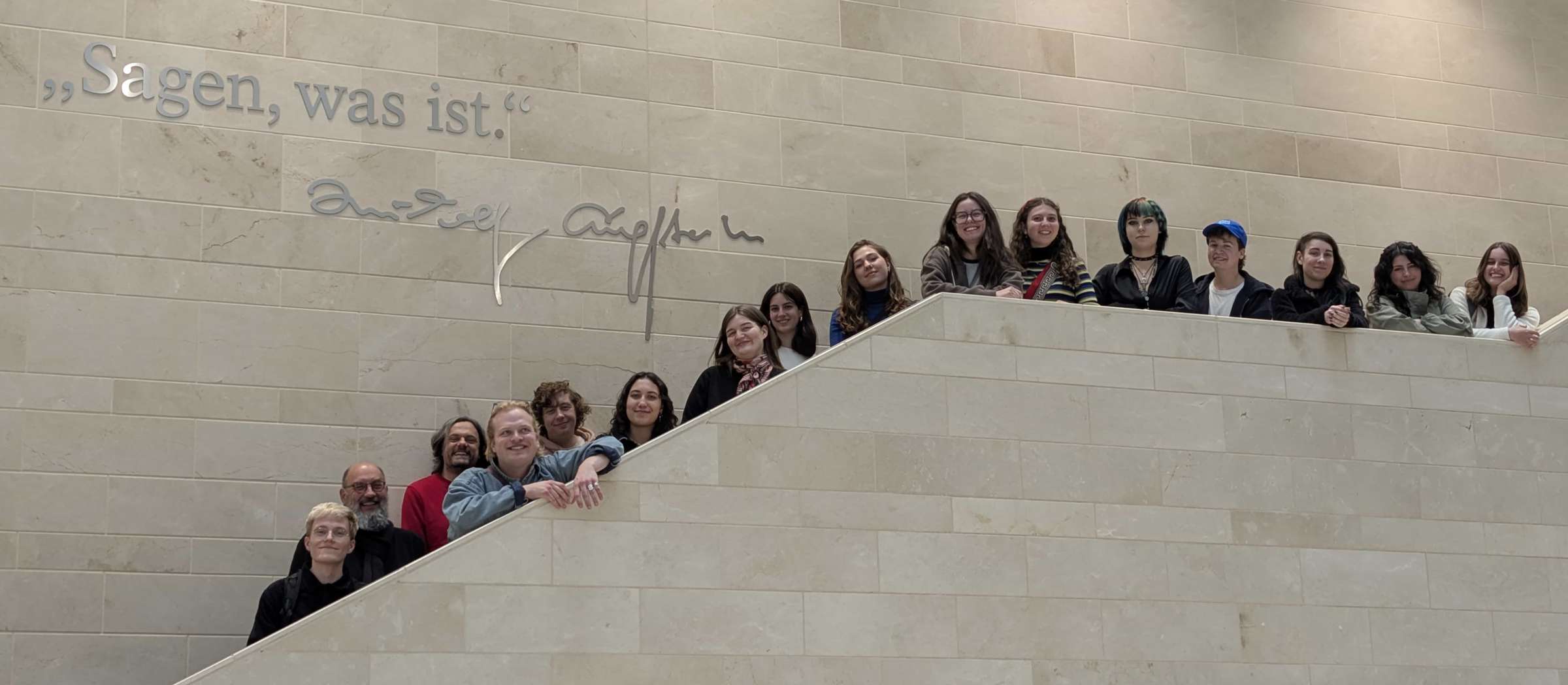
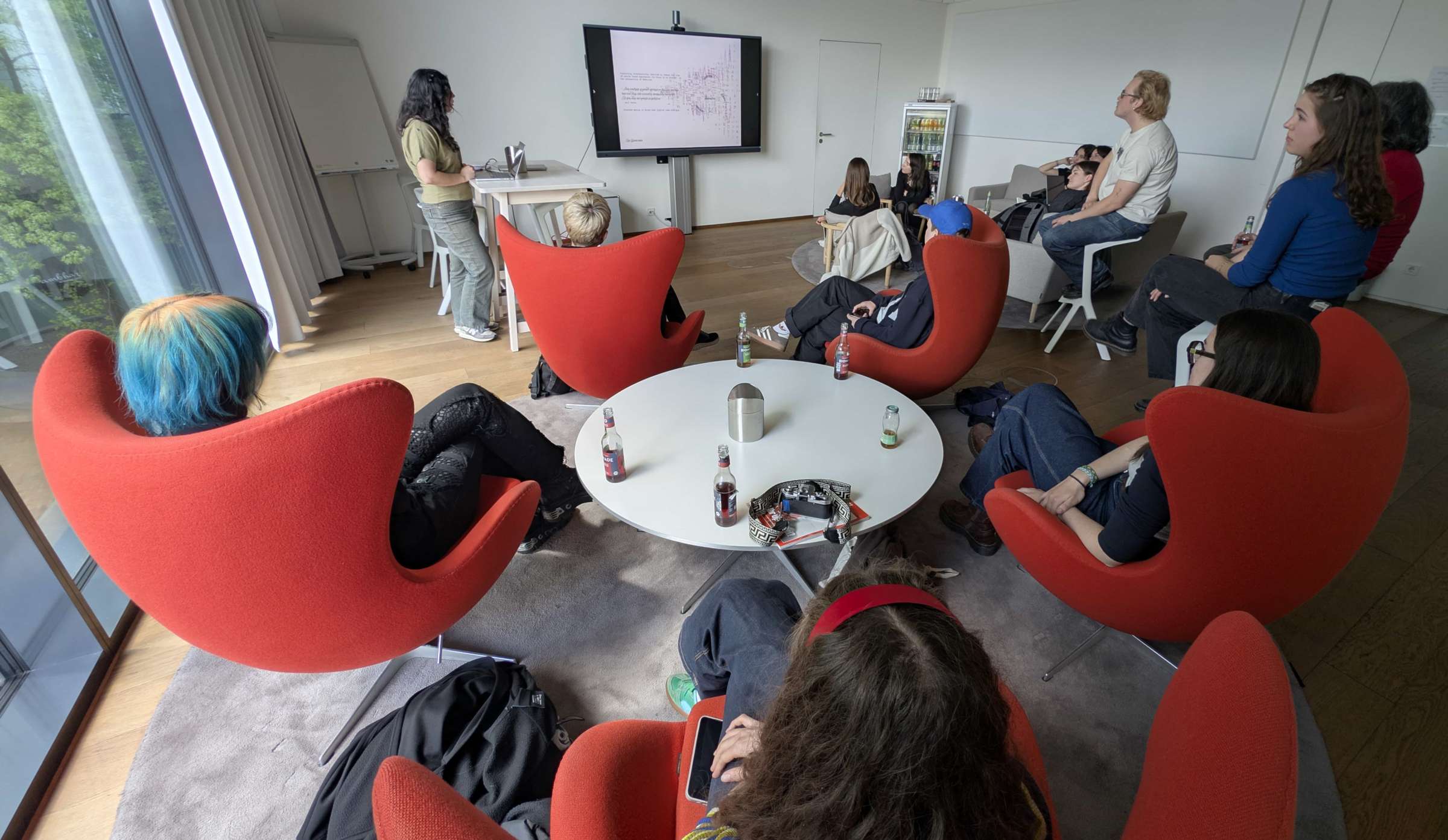
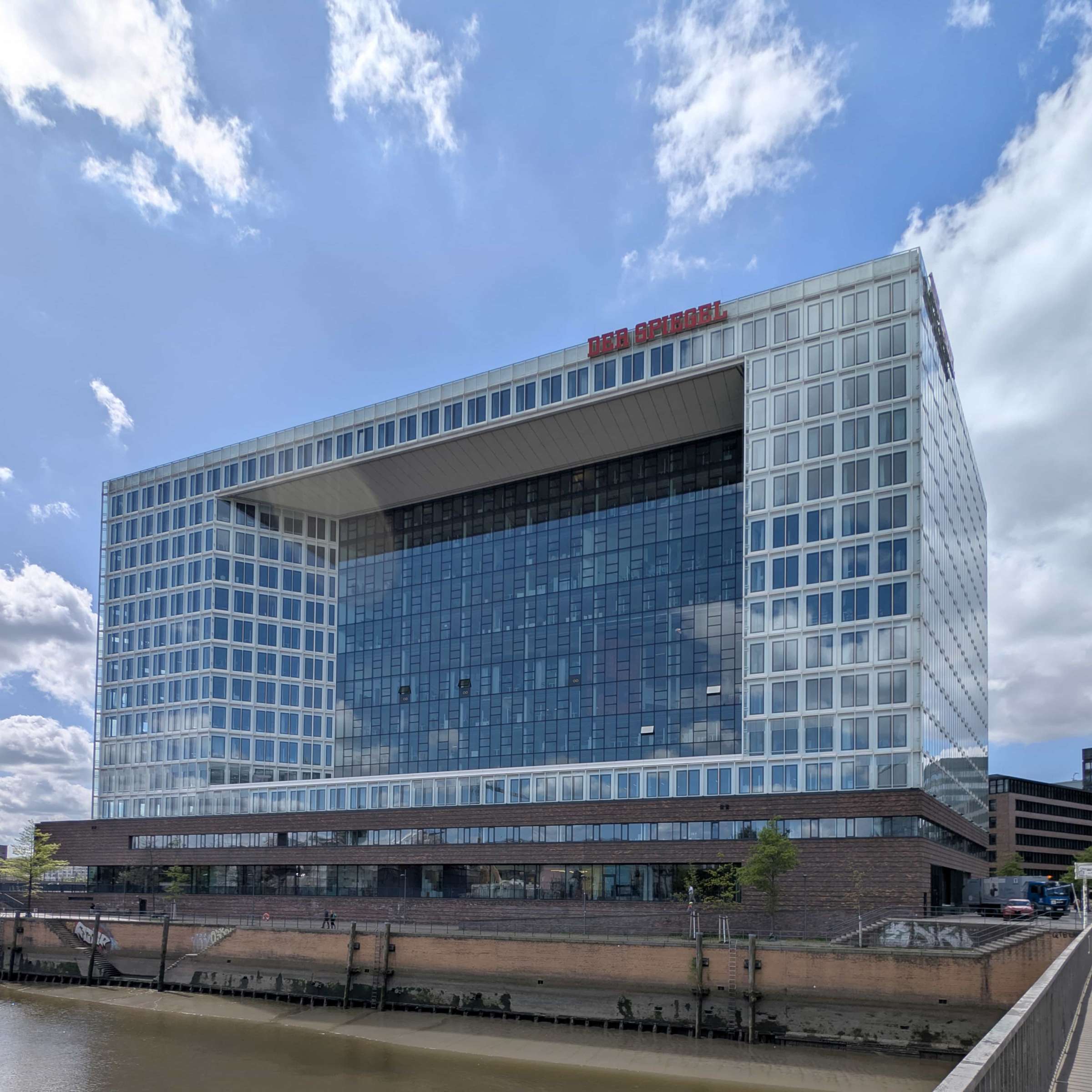
Afterwards, a short walk through downtown Hamburg led the group to the DER SPIEGEL publishing house at Ericusspitze. There, the students were welcomed by Klaas Neumann and Nina Krug from the infographics and data visualization department. Following a tour of the publishing house, editorial and visualization spaces, and the Spiegel canteen designed by Verner Panton, the students presented the current state of their course projects.
In the subsequent professional exchange, they received detailed feedback on strategic, conceptual, and design-related questions. Topics discussed included narrative structure, the visual communication of complex content, and the handling of data and information hierarchies in a journalistic context.
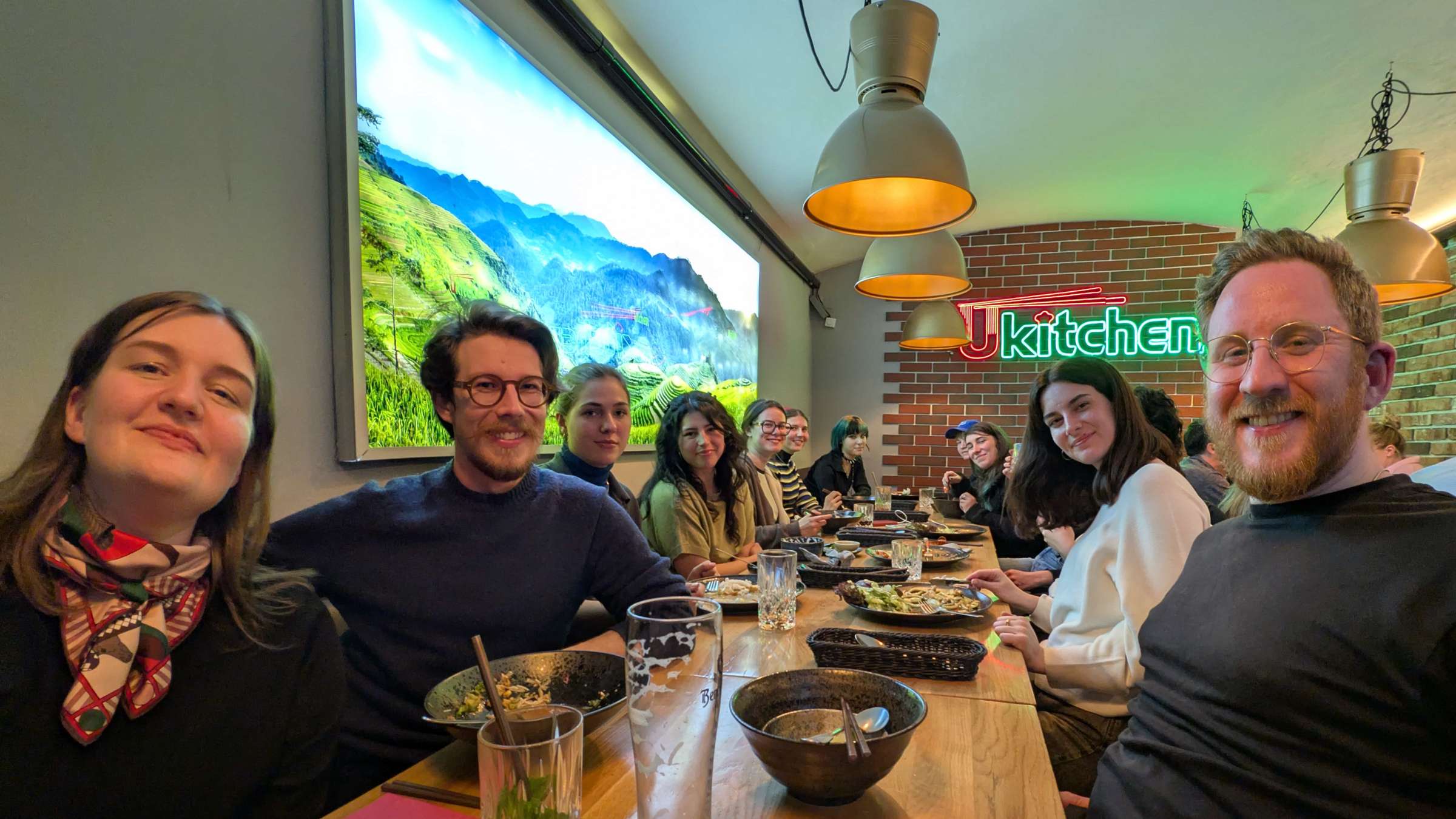
The exchange continued in an informal setting in the evening. Together with other alumni of the department—including Niklas Marienhagen from DER SPIEGEL and Jonas Jetzig from Süddeutsche Zeitung—an intensive discussion emerged about the role of artificial intelligence in journalism and visual communication. These conversations led to the idea of a potential research project, which is now being further developed.
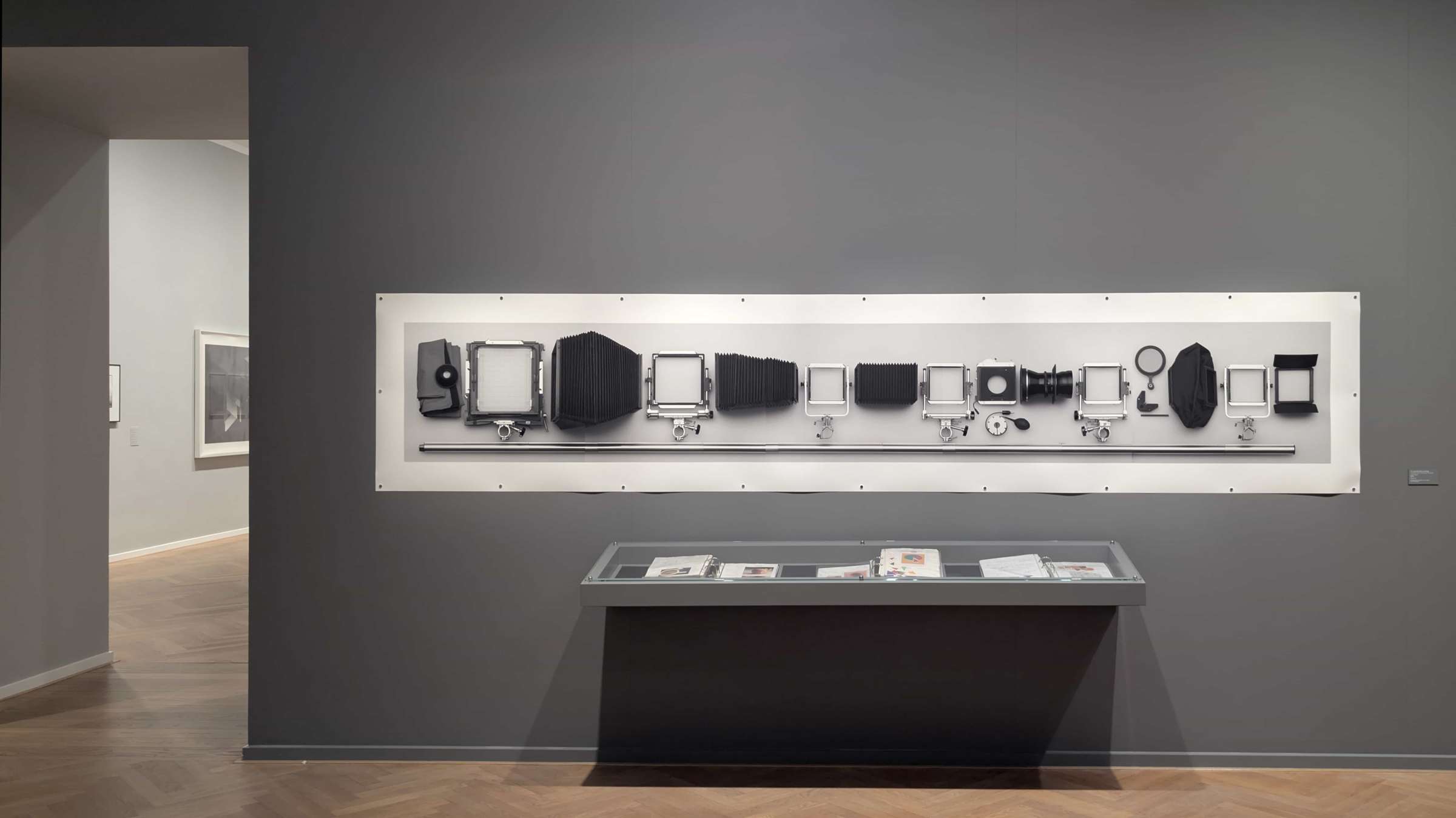
Some of the students later attended a post-punk concert in downtown Hamburg, while others visited the Old Botanical Garden the following morning, before a visit to the Museum of Arts and Crafts Hamburg was on the program. There, the group saw the exhibition on the life’s work of photographer Hans Hansen as well as various collections on design, media, and cultural history.
Before departure, preparations were made for the traditional “Dinner on the Train”—a shared meal on board. The ICE 683 left Hamburg in the late afternoon as scheduled at 4:19 p.m. from platform 14 bound for Augsburg. That the journey did not end according to timetable is, at this point, best left unmentioned.