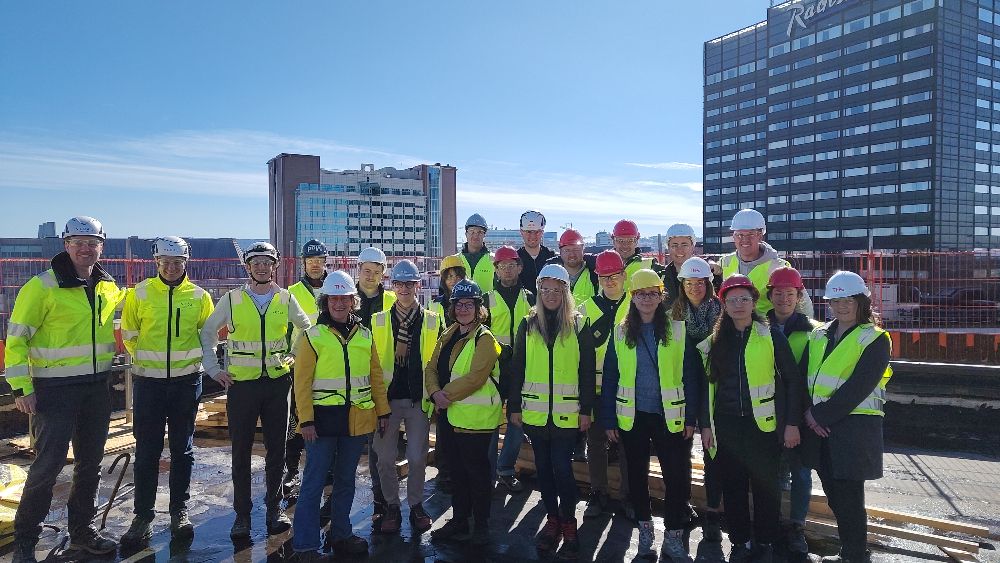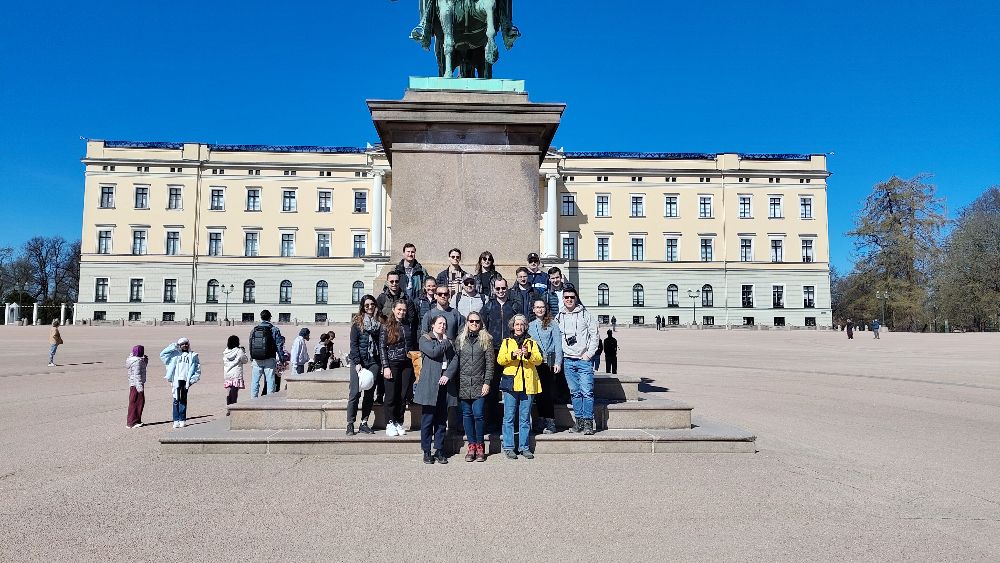

Last week, our study trip for the 2026 continuing education Master's program in Construction Project Management, focusing on international project management, took us to Oslo.
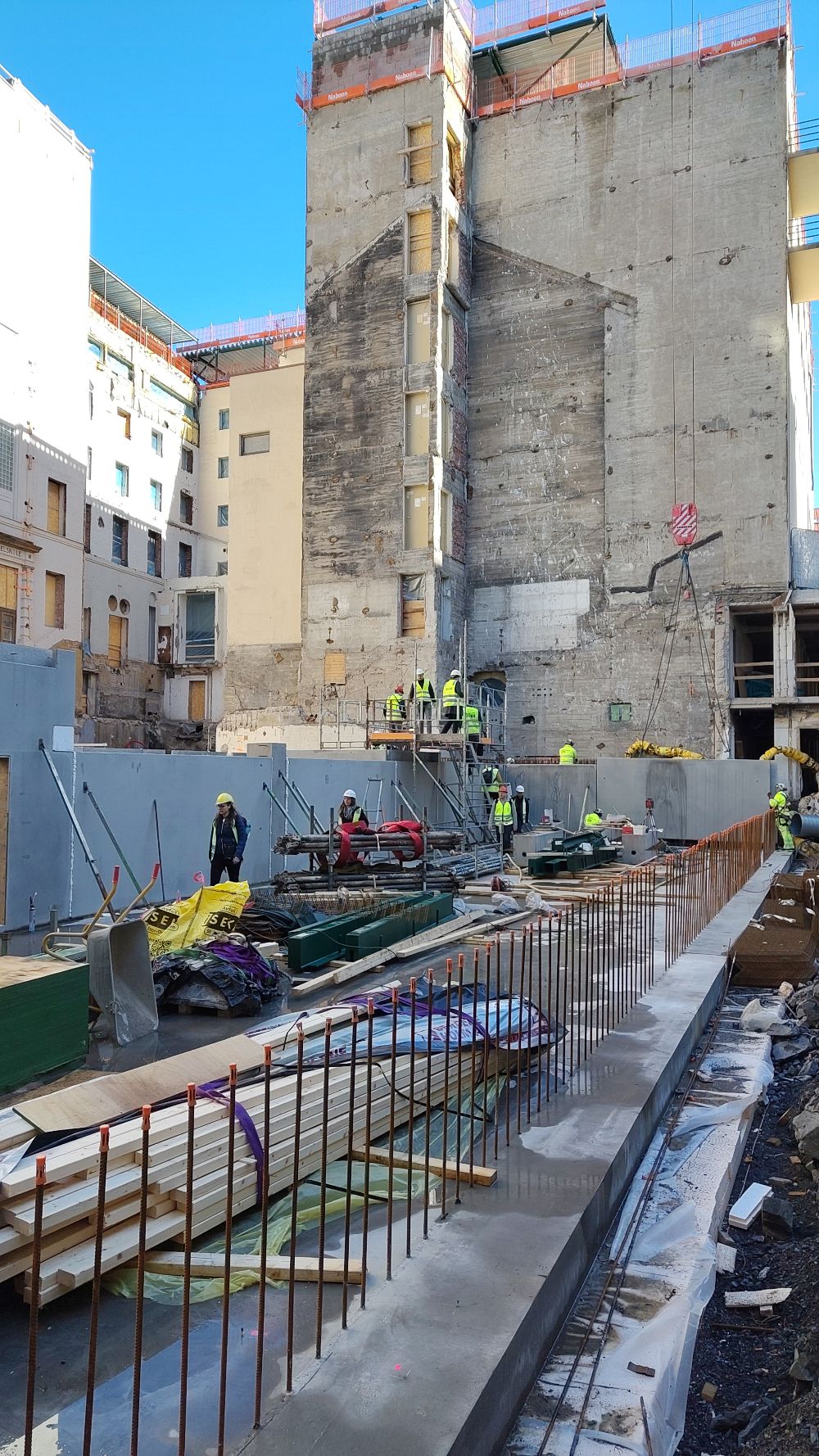
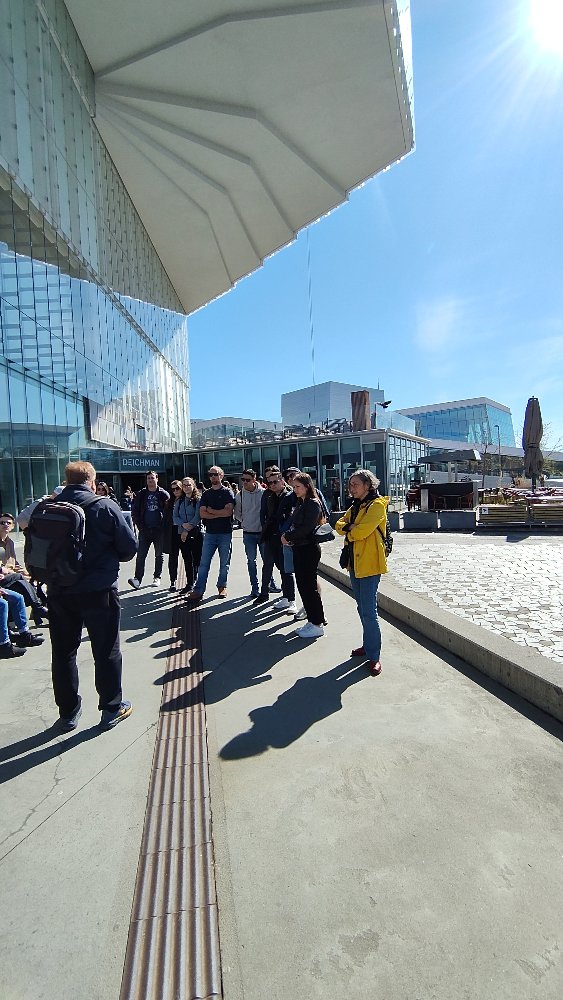
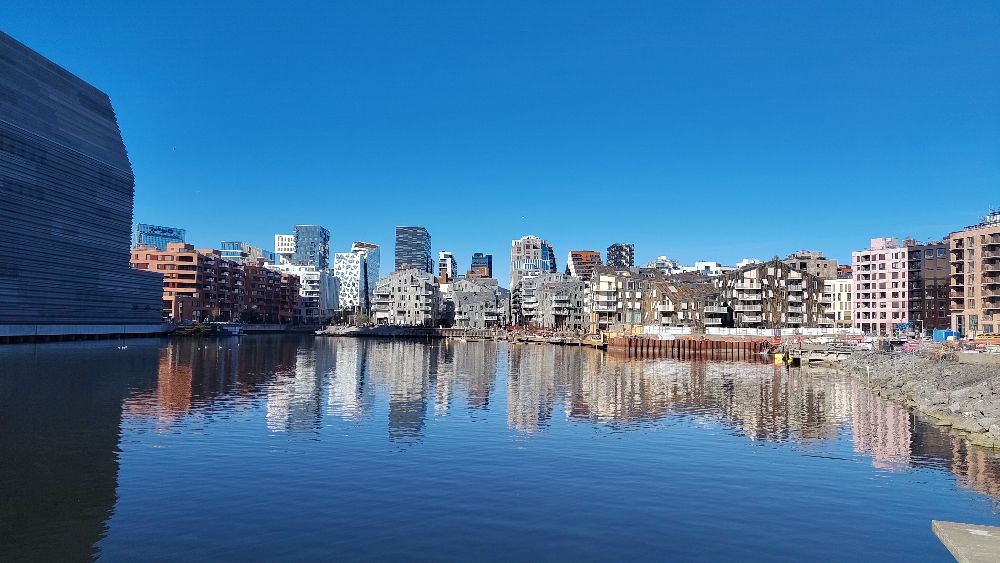
The port redevelopment with the famous Opera House, designed by Snøhetta Architects, and the Deichmann Library, designed by Lund Hagem and Atelier Oslo, the redevelopment of the Vulkan site, the renaturalization of the Akerselva River, and the new Fornebu district on the former airport grounds impressed us just as much as a complex renovation project under historic preservation regulations near the Royal Palace (Staffeldtskvartalet), carried out under a GMP agreement by the company Vedal.
The K13 office building in the university district is considered a benchmark project for circular construction and was designed by MAD Arkitekter. The Futurebuilt initiative, which promotes sustainable construction in Norway, certainly made the right choice with its office space located there!
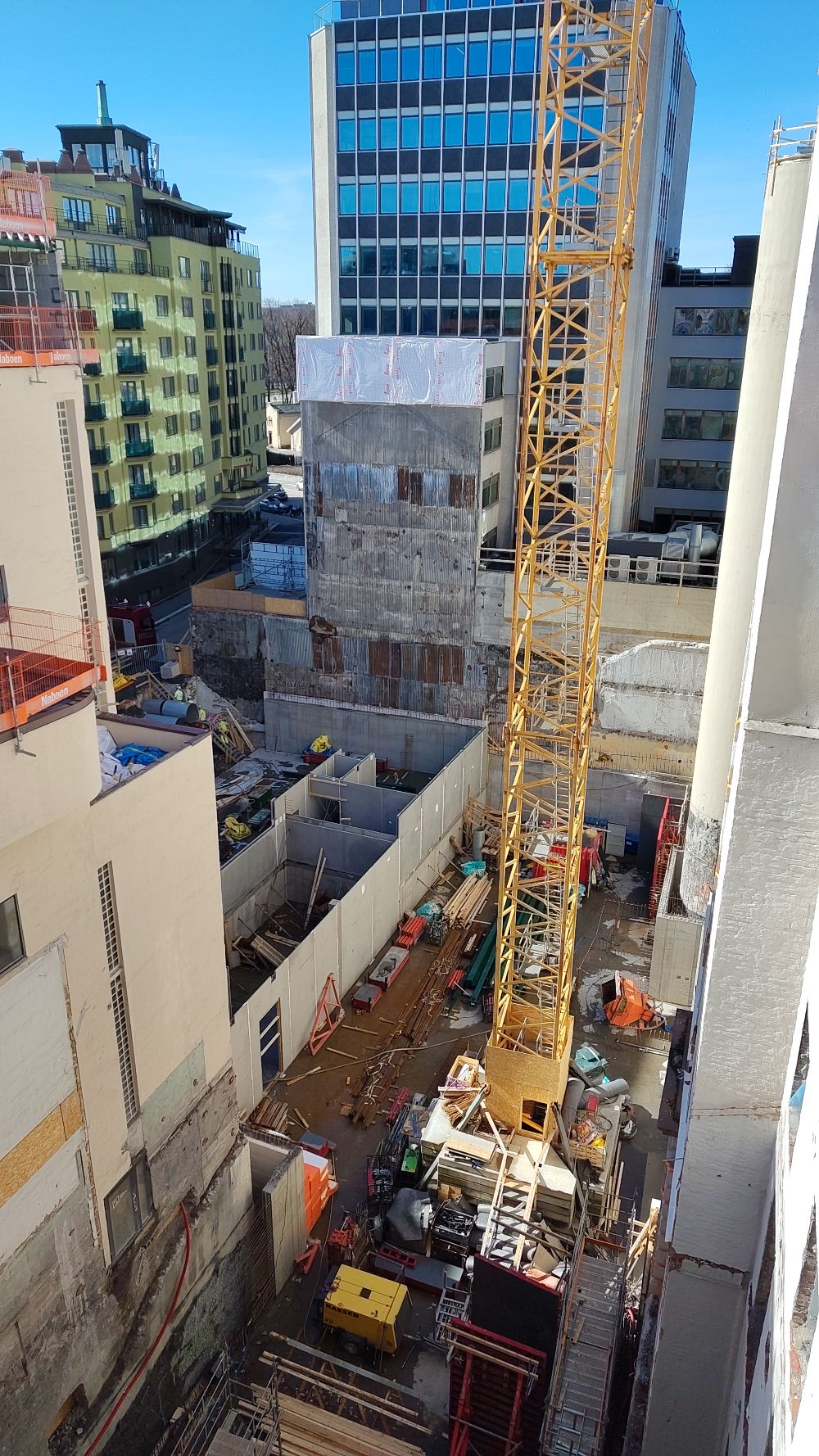
The Grensen 9b project also bears the signature of MAD Arkitekter and applies the principles of circularity to an inner-city property with major logistical challenges. Magna is acting as construction management.
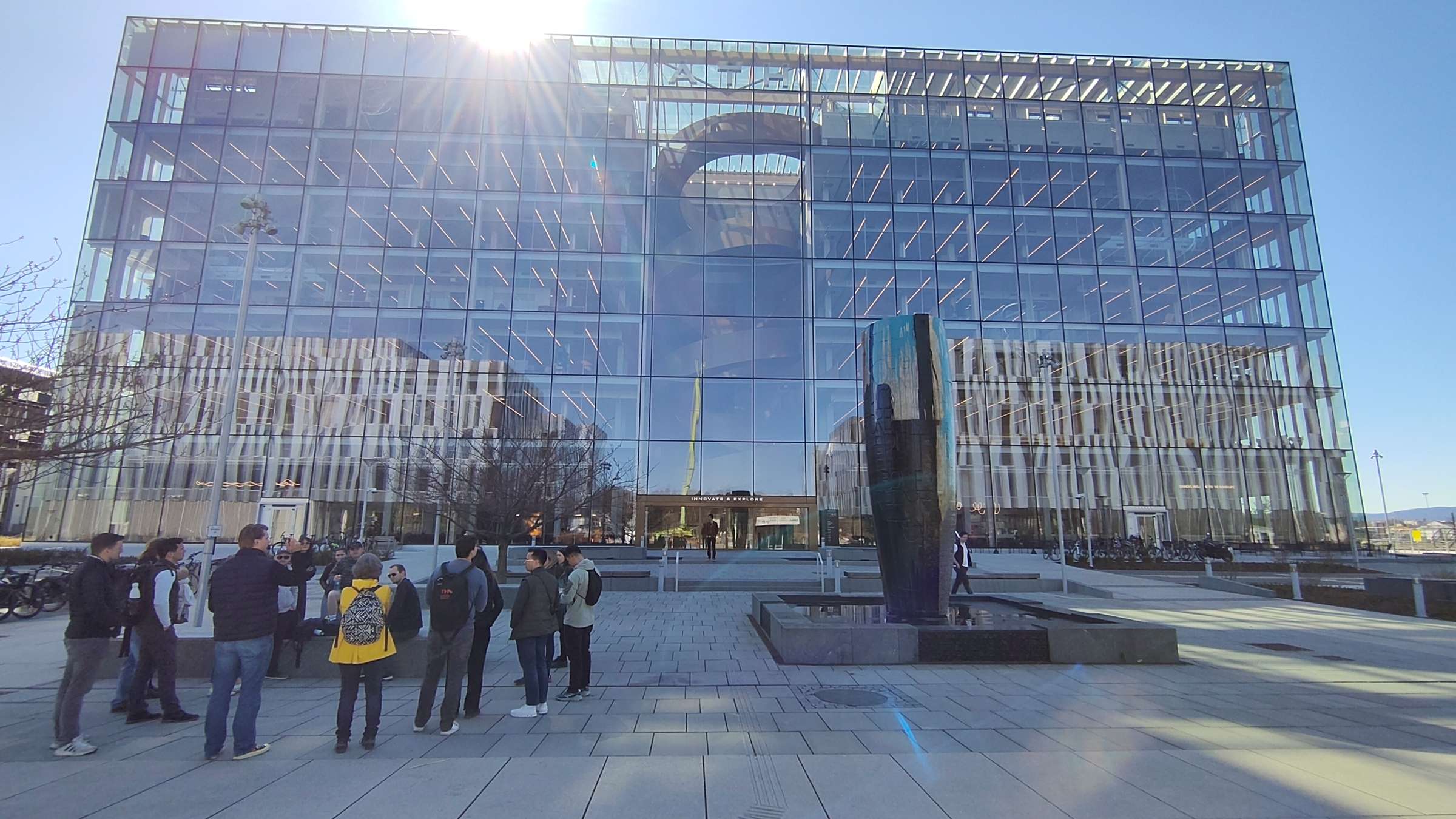
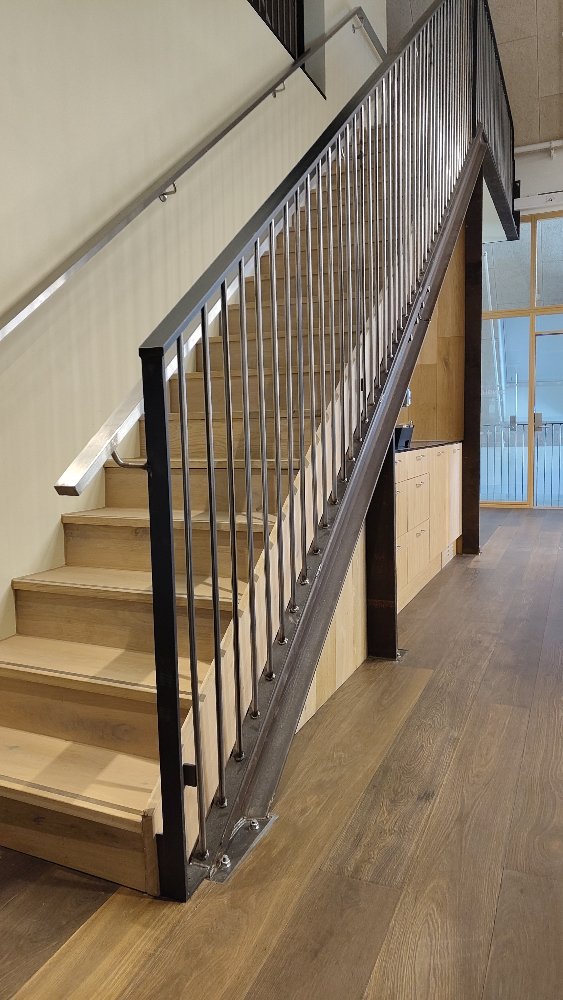
The new Aker Tech House, designed by the Aker Group and realized in part by Lindner Scandinavia, impressed us with its wood-aluminum-glass facade and iconic staircase.
An office building ("Hasletre") constructed almost entirely of wood with steel-free connections, located uphill in the Haslevangen district and designed by Oslotre, was built for the developer Höegh Eiendom as a pilot project.
The mobility infrastructure in the city of Oslo, with its brilliantly functioning public transport system and few, almost exclusively electric cars, is something one could dream of for one's hometown.
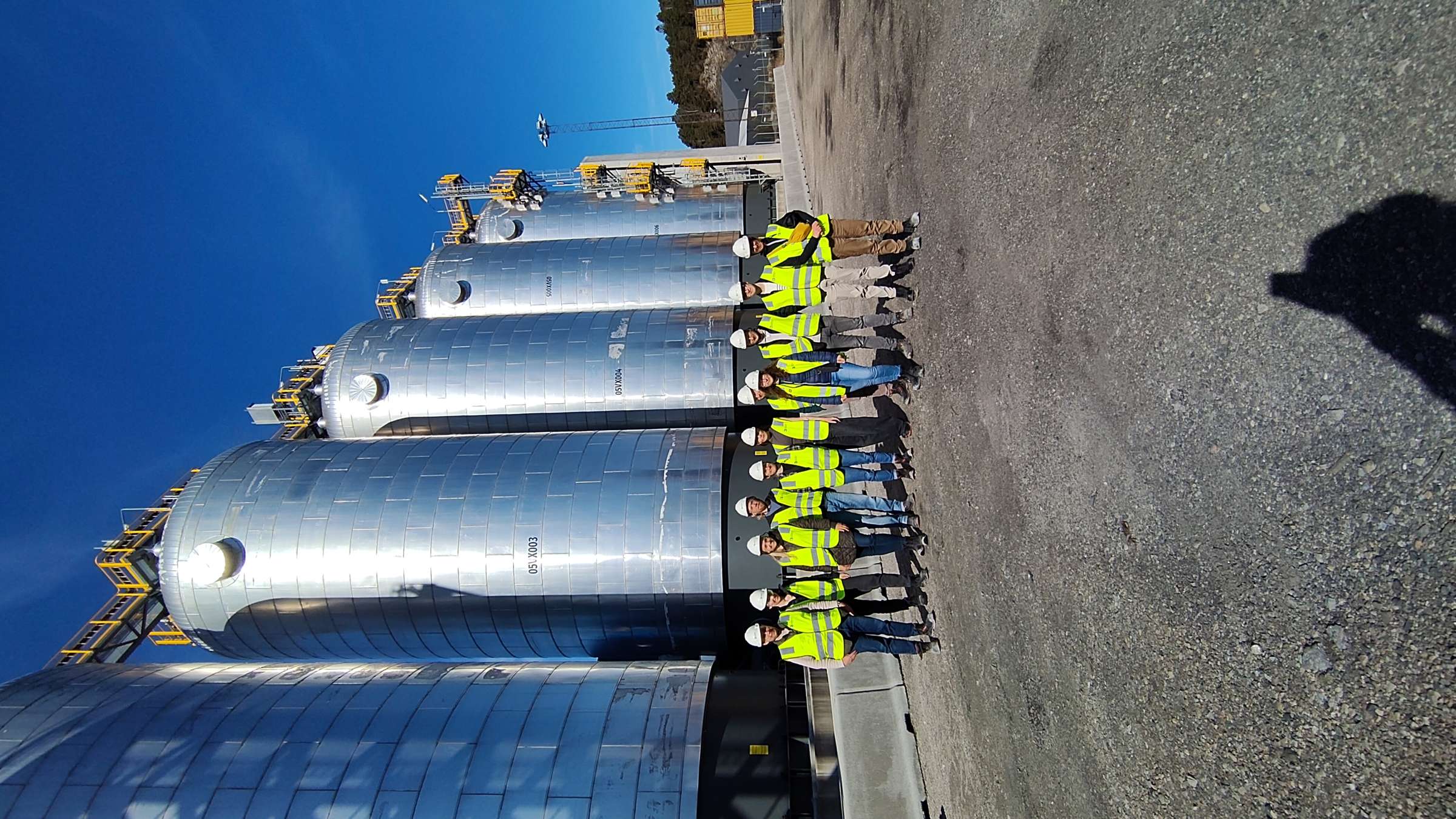
A particular highlight was the visit to the first carbon capture and storage (CCS) plant in cement production at the Heidelberg Materials plant in Brevik. The expert explanations provided by the initiator and former head of this facility, Kyell Skjeggerud, made the process itself tangible. The background to the product development of a carbon-captured near-zero cement, including the company's internal accounting process and specific EPDs, was also impressive!
The diversity of projects and implementation methods, and the often highly innovative approach to digitalization and sustainability, inspired us all!
Many thanks to our hosts and discussion partners:
Martina Ellsel, Moritz Groba, Kyell Skjeggerud Heidelberg, Kristian Edwards, Emil Strømsodd, Torstein Blumer, Rasmus Berndtsson, and last but not least, Henning Nielsen from Guiding Architects, who gave us a detailed tour of Bjørvika and the surrounding area on the first day.