Laboratories of the Faculty of Computer Science

The laboratories of the Faculty of Computer Science serve as a bridge between theory and practice. Here, students apply their knowledge in hands-on exercises, projects, and theses, working with state-of-the-art hardware and software on current topics in computer science—from 3D visualization to embedded systems and Industry 4.0, all the way to artificial intelligence and robotics. On the following pages, you’ll find an overview of our labs as well as information on equipment, contacts, and usage.

Artificial Worlds Lab

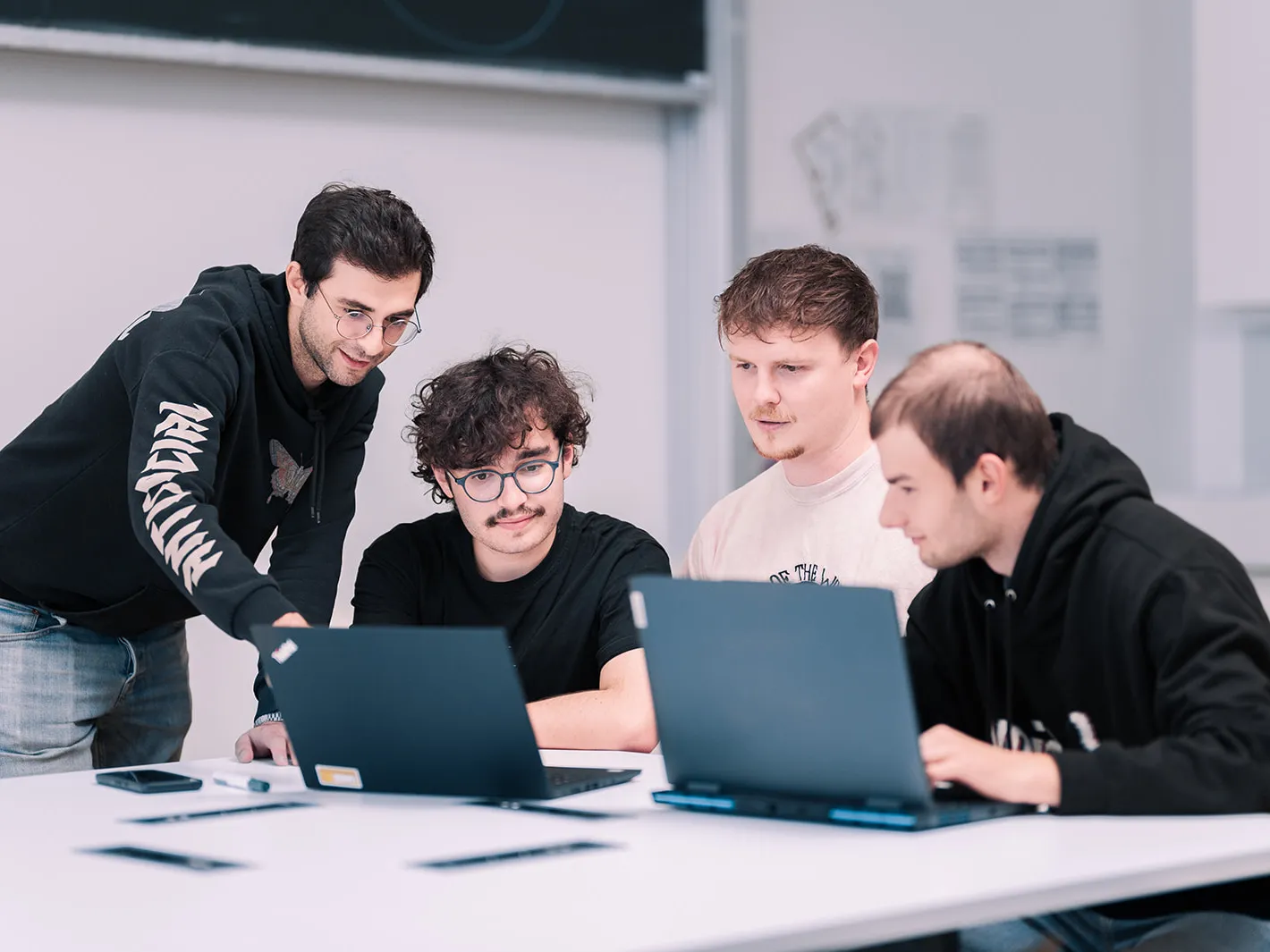
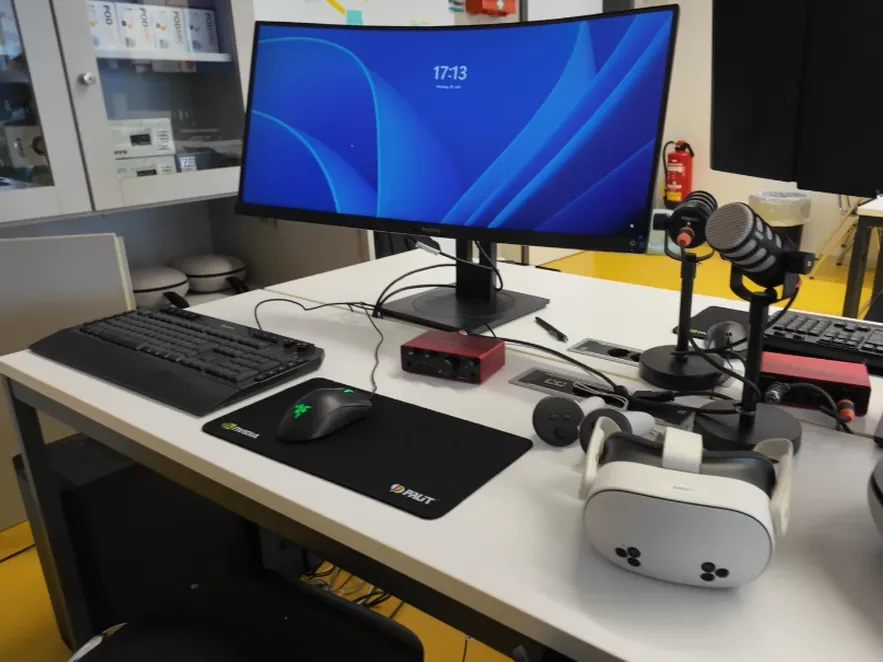
At the Artificial Worlds Lab, we explore how people interact with virtual worlds and intelligent systems. Our focus is on human-computer interaction, virtual reality, and generative AI. This work leads to the development of new interaction concepts and prototypes that demonstrate how digital technologies can be designed to be intuitive, immersive, and user-centered.

Efficient Embedded Systems

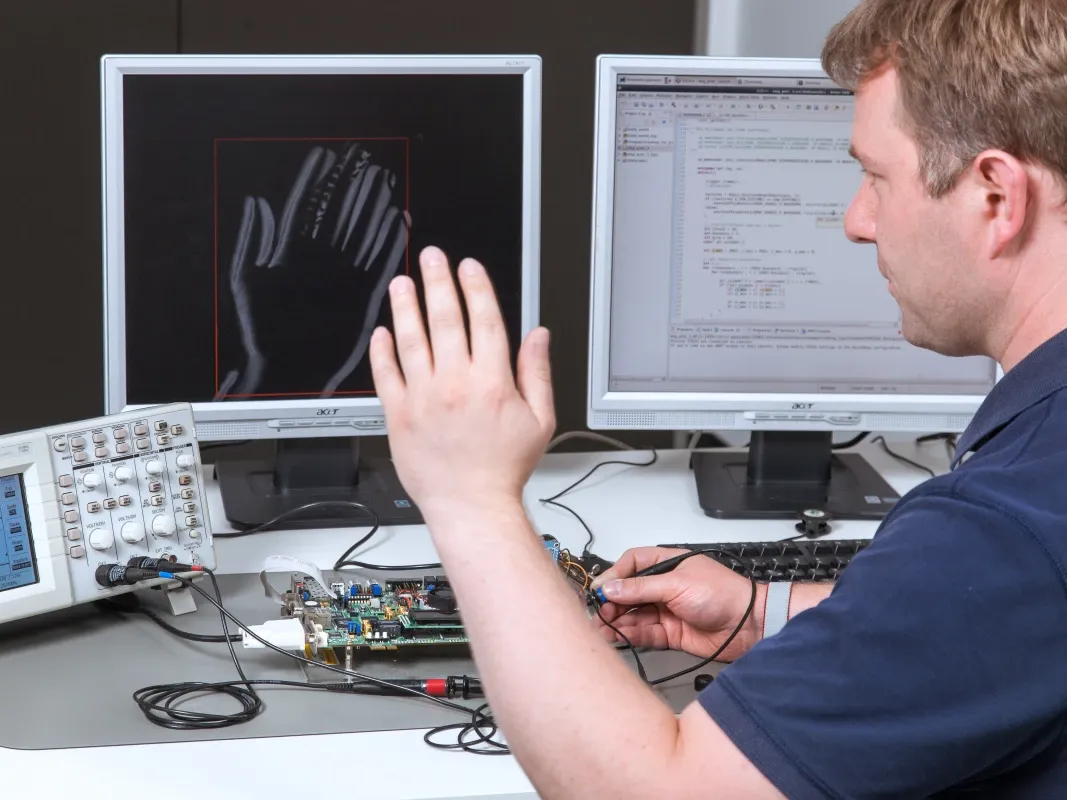
Development of future-proof embedded systems with a focus on hardware acceleration, heterogeneous architectures, and hardware-software co-design. We rely on RISC-V for technological autonomy and FPGA development using open-source tools—to deliver efficient, customizable, and sustainable solutions for real-time applications, computer vision, and embedded AI.

FabLab

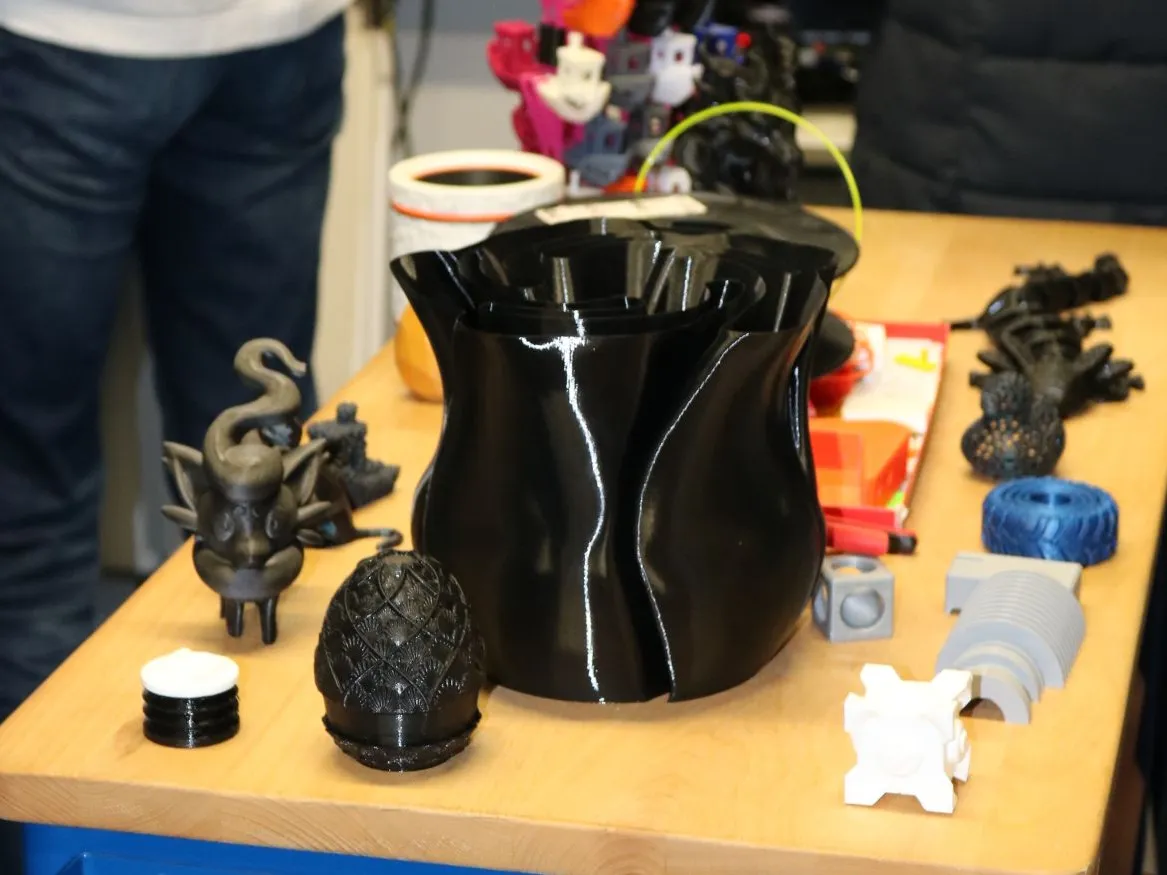
At the FabLabs, students turn ideas into real prototypes: 3D printing, electronics, and mechanical machining—all under one roof. Whether it’s a course project, a thesis, or research on Physical AI, robots, drones, and mechatronic systems are created here in a vibrant community atmosphere.

Human-AI Interaction Lab (HAII-Lab)

At the HAII Lab, the THA_atlas research group studies the interaction between humans and AI systems, with a focus on natural language processing (NLP), neurosymbolic AI, and multimodality. The lab is equipped with state-of-the-art hardware and software systems, including GPUs for training models, eye-tracking devices, and VR and AR headsets, which are used for both research and teaching. Our goal is to make AI accessible to everyone.

Internet Technologies Lab

The Internet Technologies Lab provides its users with the technical equipment needed to develop new Internet technologies, protocols, and prototypes. Numerous experiments take place in the lab, ranging from the analysis of modern network components to Internet-wide network scans. In addition, it is used to prepare students for certification courses offered by a well-known manufacturer of network components.

Smart Industry Lab

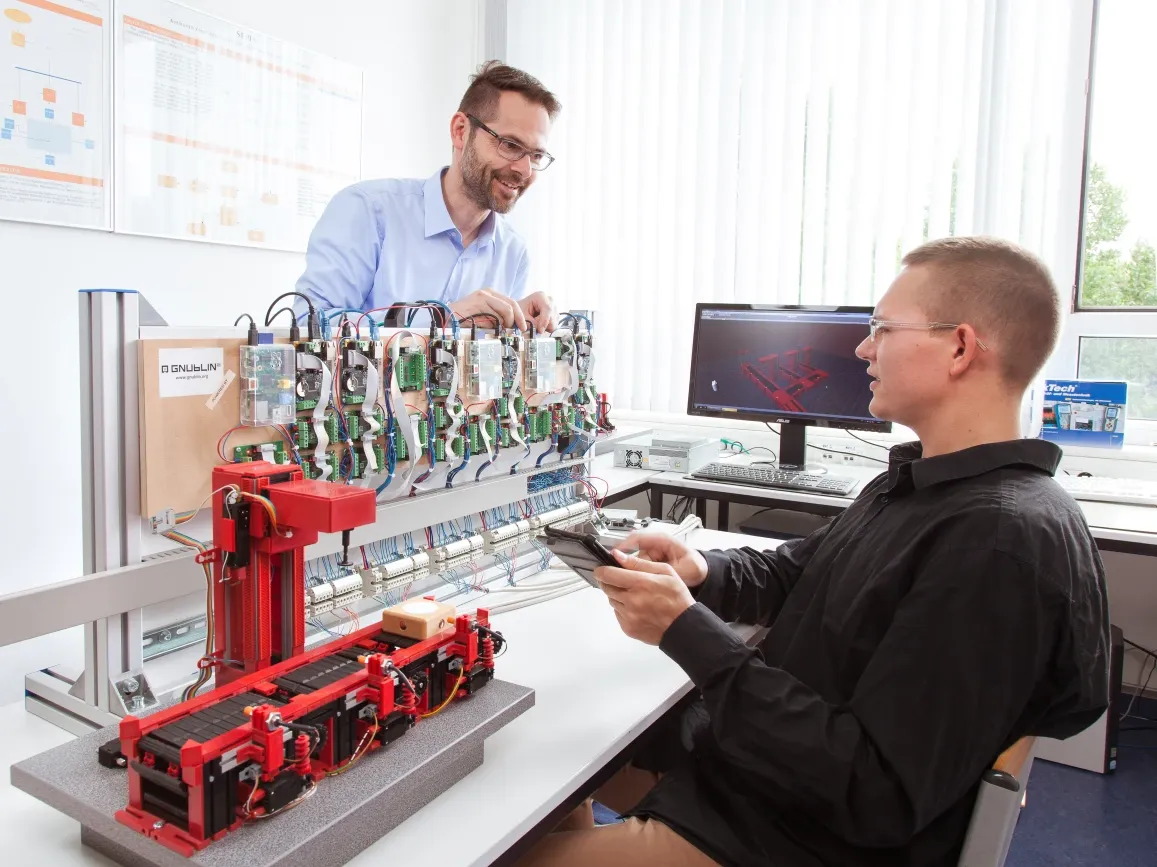
The Smart Industry Lab combines Industry 4.0, robotics, and diagnostics. A model of a flexible manufacturing system demonstrates control, monitoring, and visualization; IoT prototypes simulate autonomous robotics and automation. In the AI sector, diagnostic solutions are used for cognitive analysis. Research, student projects, and industry collaborations utilize prototypes, AI models, and data-intensive experiments for manufacturing optimization, robotics, and medical signal processing.

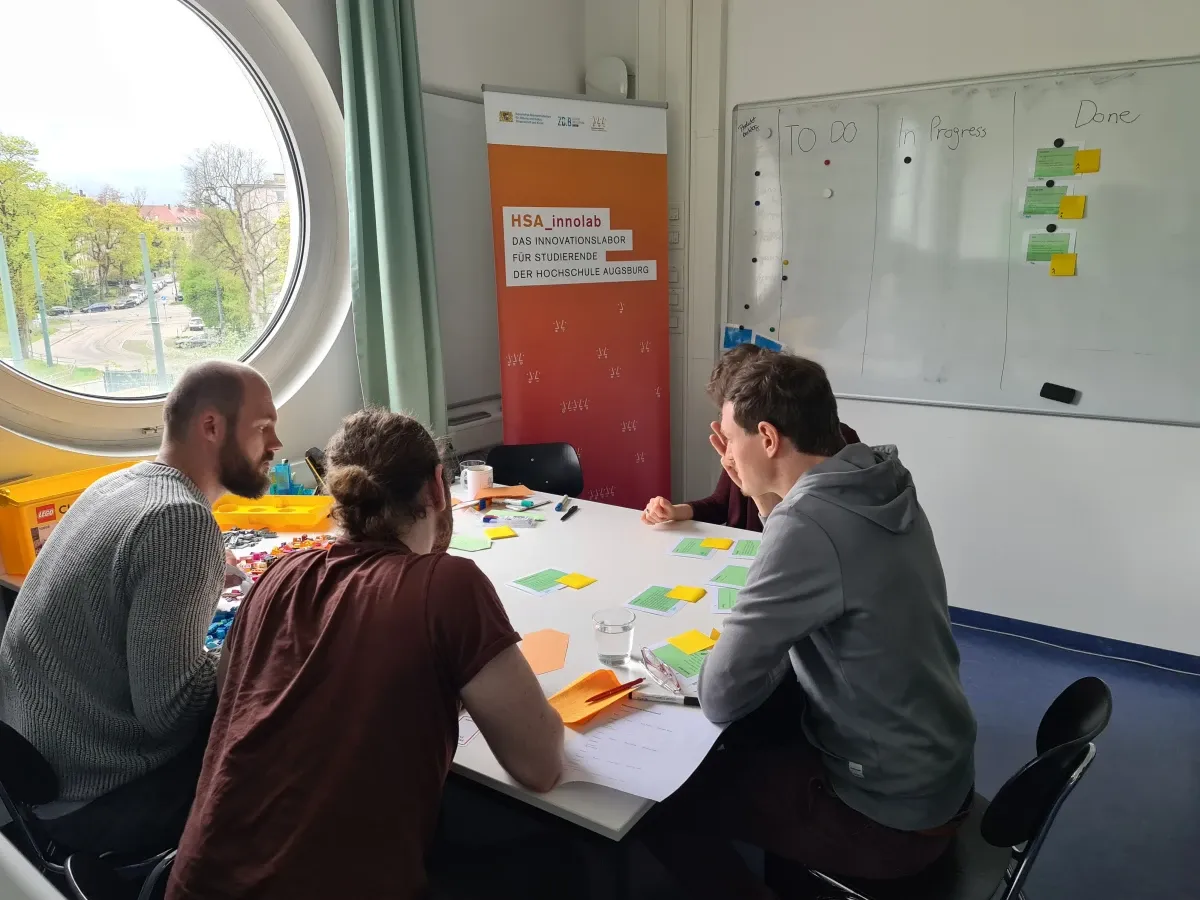
THA_innolab

At THA_innolab, students can work on innovative projects with external partners. Agile software and systems development methods are used in these projects. Together with the partners, they develop solutions to current challenges in digitalization across the fields of healthcare, public administration, manufacturing, and the circular economy.